Grassroots marketing gives Medicare agents a low-cost, high-trust way to build enrollments during AEP. Below, Spark's agency leaders and community advisors break down what actually works: consistent local presence, education-first outreach, and follow-through that outlasts the season.
Why grassroots marketing matters
Grassroots marketing goes beyond mass-marketing tools like mailers, social ads, or digital campaigns. It involves becoming the Medicare resource in your community.
In practice, that means building communication with providers, visiting senior living communities, and introducing yourself in places like your local library. The focus is face-to-face interaction and steady visibility that solidify your reputation as a trusted Medicare expert. Local roots lead to bigger books through authentic relationship-building.
Build local relationships first, referrals later
Before any outreach, map the market. Start with who you already know, then get intentional about spotting new opportunities. Start with the places seniors already go: pharmacies, laundromats, diners, gyms, assisted living facilities, senior centers, and churches. Referral partners like elder law attorneys, financial advisors, P&C agents, and dentists are worth connecting with too. Something as simple as driving through the community and noting provider offices and local businesses worth a visit is a strong starting point.
Identify provider offices, senior living communities, pharmacies, churches, and neighborhood connections, then planning your outreach systematically. Start small and expand intentionally. Pick five specific organizations and do a little research on who they are, who their patients are, and what problems you might be able to solve for them. Spark’s mapping resources can help agents pinpoint the providers and stakeholders to prioritize first.
The approach that works is leading by serving, not selling. Offering expertise and volunteering time builds trust faster than any pitch.
“Your first objective should simply be to earn a second conversation as a local Medicare resource, not a salesperson. Build relationships first; referrals will follow.”
Walk in with your business card, introduce yourself, and ask thoughtful questions like “How do you handle Medicare questions for patients?” or “What Medicare questions come up most often?” Those questions uncover real openings and show you are there to add value.
Prepare before you show up
Outreach works best when agents arrive consistently and ready. Small branded items, like pens or chip clips, give people a low-pressure reason to start a conversation. Identify the gatekeeper at a provider’s office or senior center, the person who can open doors to decision-makers. A small gesture like coffee or pastries can go a long way.
Respect matters, too. Pitching too aggressively or ignoring a provider office’s policies can close doors quickly.
Lead with education, not sales
Positioning yourself as an educational resource rather than someone selling a product is what builds credibility. Medicare 101 sessions at libraries, senior centers, and assisted living facilities are a strong way to introduce yourself to a community. Topics like turning 65 or low-income subsidies are a natural fit. Offer them as a free courtesy, and consider bringing snacks, donuts, or ice cream to keep things fun for attendees.
Promote sessions through flyers, social media, and direct mail, and coordinate with providers to keep everything compliant. Volunteering for senior-related events and partnering with organizations like food banks, churches, and dental offices are additional ways to build mutually beneficial relationships.
Build your personal brand
Agents are their own brand, and it pays to act like one.
Look for creative, low-cost ways to stay visible, like car magnets and decals, branded apparel (even a T-shirt that says “Ask me about Medicare”), or a regular social media presence. Content does not need to be polished to be effective. Consistency and visibility matter more than production quality.
Consistency beats one-off visits
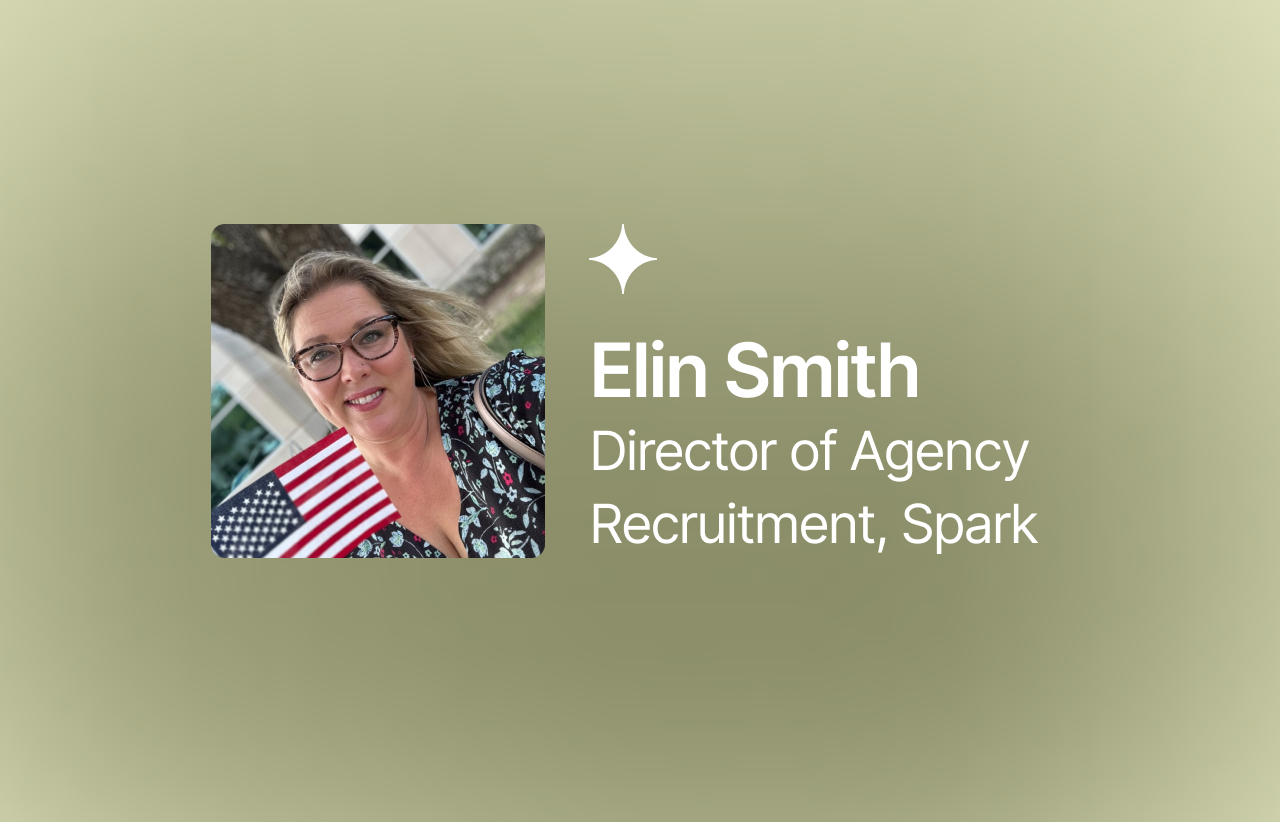
Relationships take repeated presence. Both Pam and Sandra emphasized the need for consistent follow-up to nurture relationships. Pam explained, “You can’t just go to these places once, leave a few goodies, and expect referrals to roll in. You’re going to need to visit at least once a month.”
Quality matters as much as frequency. Five intentional visits beat walking into 25 offices just to hand out business cards. Block your time and make outreach a daily priority well before AEP begins, so that when November arrives, you are already established.
That consistency needs to extend beyond AEP. A lot of agents show up during enrollment and then fall off in January, but relationships should not begin and end with AEP. Showing up once and disappearing erodes the trust grassroots marketing depends on. The goal is to become the go-to Medicare resource in your community year-round.
Tools worth using
A few tools make outreach more efficient:
- Route-mapping apps to plan efficient visit schedules Google Maps to identify referral providers and centers by ZIP code
- A spreadsheet or CRM to track visits and notes on each contact
- Handwritten thank-you notes after a visit are a simple, underused way to stay memorable.
Partner collaboration multiplies results
Referral sources are worth investing in. Provider referrals account for roughly 65% of enrollments, so consistency and reliability with providers pays off directly. Broker managers at carriers can help register events and fund giveaways or educational sessions, and senior centers respond well to year-round visibility, not just AEP-season outreach.
Key takeaways
- Think local: Build deep, meaningful relationships rooted in your community.
- Embrace year-round marketing: Be visible consistently, not just during AEP.
- Map your market: Understand and prioritize your outreach.
- Add genuine value: Offer education, resources, and understanding to community stakeholders.
- Be intentional: Show up prepared and focus on listening and solving problems.
Grassroots marketing is a long game, not a single campaign. Consistent, education-first outreach paired with genuine follow-through builds the kind of trust that turns into steady referrals:
“Take your worksheet, your commitment, and, most importantly, actually do it. Local roots can absolutely lead to bigger books.”